Let’s be real, our phones are basically digital extensions of ourselves. We bank, shop, connect with loved ones – all on these little devices. But with that convenience comes risk. The world of Android threats is constantly evolving, and it can feel overwhelming trying to keep your data and privacy secure. It’s not just about viruses anymore; it’s phishing, spyware, and a whole lot more lurking in the app stores and on the web.
Android
-does* have built-in security, but honestly, it’s often not enough. Think of it like a basic lock on your door – it’s a start, but a determined someone can probably get around it. That’s where antivirus apps come in. They’re like adding an alarm system, security cameras, and maybe even a guard dog to your digital life. This isn’t about fear-mongering, it’s about being proactive and informed.
Understanding Android Security and Antivirus Apps
Android, as the world’s most popular mobile operating system, is a constant target for malicious actors. While Google has made significant strides in bolstering Android’s security, the open nature of the platform and its vast user base make it a prime target. This article dives deep into the world of Android security, exploring the threats, the built-in defenses, and the role antivirus apps play in keeping your device safe.
We’ll move beyond the hype and look at what truly works, what doesn’t, and how to make informed decisions about protecting your digital life.
It’s easy to assume your Android phone is safe simply because it’s not Windows. That’s a dangerous misconception. The threat landscape is constantly evolving, and relying solely on built-in security isn’t enough. This guide will equip you with the knowledge to understand the risks and take proactive steps to secure your device.
Introduction to Mobile Security & Android
The mobile security landscape has dramatically shifted over the past decade. Early smartphones were relatively secure simply because they weren’t widely targeted. As smartphones became ubiquitous and powerful, they became attractive targets for cybercriminals. Initially, threats were primarily focused on SMS-based attacks and exploiting vulnerabilities in older Java-based applications. Today, we see sophisticated malware, ransomware, and targeted attacks designed to steal data, hijack devices, and even commit financial fraud.
Android includes several core security features. These include a permissions system that requires apps to request access to sensitive data and functionalities, sandboxing which isolates apps from each other and the system, and regular security updates delivered by Google and device manufacturers. Google Play Protect, a built-in malware scanner, also plays a crucial role in identifying and removing malicious apps.
However, these defenses aren’t foolproof. The open nature of Android allows for sideloading apps from outside the Google Play Store, bypassing Play Protect’s checks. Furthermore, vulnerabilities are constantly discovered, and updates aren’t always rolled out quickly to all devices.
The need for supplemental security measures arose as the sophistication of attacks increased. Early Android antivirus apps were often rudimentary, offering little more than virus definitions and basic scanning. Over time, they’ve evolved to incorporate more advanced features like behavior monitoring, real-time protection, and anti-theft capabilities. The perception that Android doesn’t
-need* antivirus stems from a misunderstanding of the threat landscape and the limitations of built-in security.
A common misconception is that only “tech-savvy” users are at risk. This isn’t true. Attackers often target everyday users through phishing scams, malicious ads (malvertising), and apps disguised as legitimate software. Another misconception is that if an app is on the Google Play Store, it’s automatically safe. While Google has improved its vetting process, malicious apps still occasionally slip through the cracks.
Types of Android Threats
Source: pcmag.com
Android malware comes in many forms, each with its own methods of operation and potential impact. Understanding these different types is the first step in protecting your device.
- Ransomware: This type of malware encrypts your files and demands a ransom payment for their decryption. Android ransomware often targets photos, videos, and other personal data.
- Spyware: Spyware secretly monitors your activity, collecting sensitive information like passwords, banking details, and browsing history. It can also track your location and intercept your communications.
- Trojans: Trojans disguise themselves as legitimate apps, but contain malicious code that performs harmful actions in the background. They can steal data, install other malware, or grant attackers remote access to your device.
- Adware: While not always directly harmful, adware bombards you with unwanted ads, often leading to malicious websites or apps.
Phishing attacks on Android often involve deceptive SMS messages or emails that trick users into clicking malicious links or downloading fake apps. These links can lead to fake login pages designed to steal your credentials, or they can directly download malware onto your device. Malicious apps are frequently disguised as popular games, utilities, or system tools. Attackers often use similar names and icons to legitimate apps to trick users into downloading them.
Vulnerabilities in Android apps can be exploited in several ways. For example, a poorly coded app might allow attackers to inject malicious code, gain unauthorized access to data, or even take control of the device. Outdated app versions are particularly vulnerable, as they often contain known security flaws that haven’t been patched.
Core Features of Android Antivirus Applications
Modern Android antivirus apps go beyond simple virus scanning. They employ a variety of techniques to detect and prevent threats.
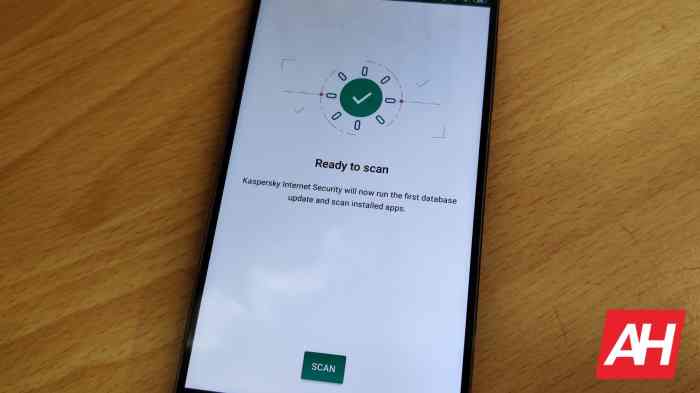
Real-time scanning continuously monitors your device for malicious activity, scanning apps as they are installed and files as they are downloaded. This is crucial for preventing infections before they can cause damage. Behavior monitoring analyzes how apps behave, looking for suspicious patterns that might indicate malware. For example, an app that suddenly starts sending large amounts of data over the internet or attempting to access sensitive system files might be flagged as suspicious.
App permission analysis examines the permissions requested by apps, identifying potential risks. An app that requests unnecessary permissions, such as access to your contacts or location when it doesn’t need them, could be a red flag.
Here’s a comparison of scanning engines used by popular apps:
| App | Scanning Engine | Detection Rate | System Impact |
|---|---|---|---|
| Bitdefender | Bitdefender Antivirus Engine | 99.7% | Low |
| Norton | Norton Mobile Security Engine | 99.5% | Medium |
| McAfee | McAfee Global Threat Intelligence | 98.8% | Medium-High |
| Kaspersky | Kaspersky Security Network | 99.2% | Low-Medium |
(Detection rates are based on independent testing data as of late 2023 and can vary.)
Evaluating Antivirus App Performance
Choosing the right antivirus app requires careful evaluation. Don’t rely solely on marketing claims. Independent testing labs provide valuable insights into the effectiveness of different apps.
Organizations like AV-Test and AV-Comparatives conduct rigorous tests to assess antivirus effectiveness. These tests typically involve scanning devices with a large dataset of known malware and evaluating the app’s ability to detect and block threats. They also measure the app’s impact on device performance, including scan speed, battery consumption, and false positive rate.
Key Performance Indicators (KPIs) to consider when evaluating antivirus apps include:
- Detection Rate: The percentage of malware samples the app successfully identifies.
- Scan Speed: How quickly the app scans your device.
- Battery Consumption: The impact the app has on your device’s battery life.
- False Positive Rate: The number of legitimate apps or files incorrectly identified as malware.
- System Impact: The overall impact on device performance, including CPU usage and memory consumption.
Antivirus app reports typically provide information about detected threats, including their severity level and the actions taken. Understanding these reports can help you assess the risks and make informed decisions about your security. A high-severity threat requires immediate attention, while a low-severity threat might be less urgent.
Privacy Considerations with Antivirus Apps
Antivirus apps require access to a significant amount of data on your device, raising privacy concerns. It’s crucial to understand how these apps collect and utilize your information.
Many antivirus apps collect data about installed apps, browsing history, and device usage to improve their threat detection capabilities. Some apps also collect anonymized data to share with their parent companies for research purposes. The potential privacy risks associated with granting antivirus apps extensive permissions include the collection of personal data, tracking of your online activity, and potential misuse of your information.
It’s essential to carefully review the app’s privacy policy before installing it.
Here are best practices for protecting your privacy when using an antivirus app:
Review permissions carefully. Understand data collection practices. Choose reputable providers. Regularly update the app.
Free vs. Paid Android Antivirus Apps
The choice between a free and paid antivirus app depends on your individual needs and risk tolerance.
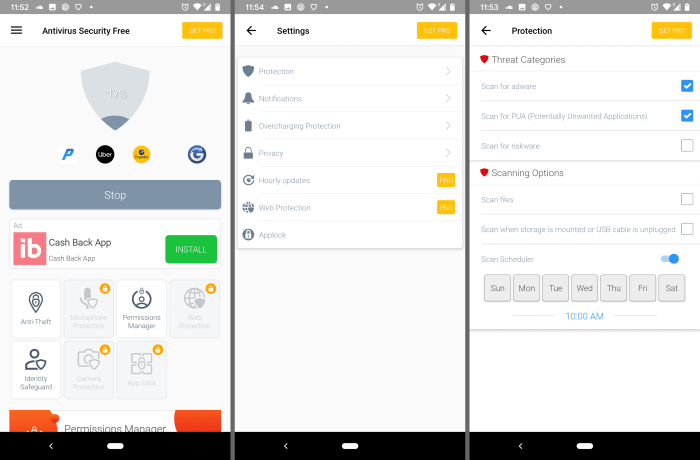
Free antivirus apps typically offer basic malware scanning and real-time protection. However, they often lack advanced features like behavior monitoring, web protection, and anti-theft capabilities. They may also display intrusive ads or attempt to upsell you to a paid subscription. Paid antivirus apps offer a more comprehensive suite of features, including advanced threat detection, web protection, anti-theft tools, and dedicated customer support.
They typically don’t display ads and offer a more streamlined user experience.
Common upselling tactics employed by free antivirus app providers include offering limited-time discounts, highlighting the benefits of premium features, and creating a sense of urgency. It’s important to resist these tactics and carefully consider whether the additional features are worth the cost.
| Feature | Free Version | Paid Version |
|---|---|---|
| Malware Scanning | Basic | Advanced |
| Real-time Protection | Limited | Full |
| Behavior Monitoring | No | Yes |
| Web Protection | No | Yes |
| Anti-Theft Features | Limited | Full |
| Customer Support | Limited | Priority |
Advanced Features in Modern Antivirus Apps
Beyond the core features, many modern antivirus apps offer advanced functionalities to enhance your security.
Anti-theft features allow you to remotely lock your device, wipe its data, and track its location if it’s lost or stolen. Web protection features block malicious websites and phishing attempts, preventing you from accidentally visiting dangerous sites. VPN integration encrypts your internet traffic, protecting your privacy and security when using public Wi-Fi networks. Call blocking and SMS filtering features block unwanted calls and messages, protecting you from spam, scams, and malicious links.
The Impact of Antivirus Apps on Device Performance
Antivirus apps can sometimes affect battery life and system speed. It’s important to be aware of these potential impacts and take steps to minimize them.
Antivirus apps consume system resources, such as CPU and memory, which can lead to slower performance and reduced battery life. To minimize the performance impact, choose an antivirus app with a low system footprint, schedule scans during off-peak hours, and keep the app updated. Regular app updates often include performance optimizations and bug fixes. Troubleshooting performance issues related to antivirus apps might involve clearing the app’s cache, disabling unnecessary features, or contacting the app’s support team.
User Best Practices for Android Security
Source: lifewire.com
Even with an antivirus app, it’s crucial to practice good security habits.
Keeping your Android operating system up to date is essential, as updates often include critical security patches. Creating strong passwords and enabling two-factor authentication adds an extra layer of security to your accounts. Downloading apps only from official sources, like the Google Play Store, reduces the risk of installing malware. Regularly reviewing and managing app permissions ensures that apps only have access to the data and functionalities they need.
Future Trends in Android Security
The Android security landscape is constantly evolving, and new threats are emerging all the time.
Emerging threats include vulnerabilities in 5G networks, attacks targeting IoT devices connected to Android phones, and the increasing use of AI-powered malware. Artificial intelligence (AI) and machine learning (ML) are playing an increasingly important role in enhancing Android security. AI-powered threat detection can identify and block malware more effectively than traditional methods. The development of more proactive and adaptive security solutions is crucial for staying ahead of the evolving threat landscape.
Imagine a future Android security ecosystem where a central AI core analyzes data streams from various device sensors and apps, identifying anomalies and proactively blocking threats. This core would learn from past attacks and adapt to new threats in real-time, providing a more robust and resilient security posture. The visual elements would include a network of interconnected sensors and apps feeding data into the AI core, with a dynamic display showing threat levels and mitigation actions.
This system would be constantly evolving, learning, and adapting to the ever-changing threat landscape.
Ultimate Conclusion
Source: androidheadlines.com
So, we’ve covered a lot – from the types of threats out there to the features that make a good antivirus app, and even the privacy trade-offs involved. The bottom line? Android antivirus apps aren’t a silver bullet, but they’re a crucial layer of protection in today’s digital landscape. Don’t just blindly download the first free app you see. Take the time to understand what you’re getting, what permissions you’re granting, and whether a paid version might be worth the investment.
Ultimately, staying safe online is a combination of smart app choices, cautious browsing habits, and a reliable antivirus app working in the background. It’s about taking control of your digital security and making informed decisions to protect what matters most. Keep your software updated, be skeptical of suspicious links, and remember that a little vigilance goes a long way.
FAQ Overview
Do I
-really* need an antivirus app on my Android phone?
While Android has built-in security, it’s not foolproof. Antivirus apps offer an extra layer of protection against increasingly sophisticated threats, especially if you download apps from outside the Google Play Store or frequently use public Wi-Fi.
What’s the difference between a virus and malware?
“Virus” is often used as a general term, but malware is the broader category. Malware includes viruses, but also spyware, ransomware, trojans, and other malicious software designed to harm your device or steal your data.
Can antivirus apps slow down my phone?
Some antivirus apps can impact performance, especially during scans. However, reputable apps are designed to minimize this impact. Look for apps with good performance reviews and consider scheduling scans for when you’re not actively using your phone.
Are free antivirus apps safe?
Free antivirus apps can offer basic protection, but they often come with limitations, like fewer features or intrusive ads. Some may even collect and sell your data. It’s important to choose a reputable provider and carefully review their privacy policy.
What permissions should I be wary of when installing an antivirus app?
Be cautious of apps requesting excessive permissions, like access to your contacts, location, or SMS messages, unless it’s clearly necessary for their functionality. Always question why an antivirus app needs access to certain data.